

Uncovering the psychology behind high-stakes gambling
The Allure of Chance: Why People Are Drawn to Casinos
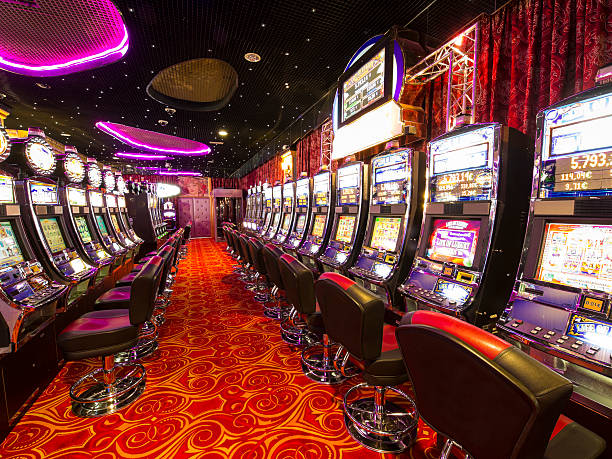
The thrill of uncertainty is a key motivator for many individuals who find themselves indulging in casino gambling. When players enter a casino, they are often met with an environment designed to stimulate the senses and amplify their excitement. Bright lights, loud sounds, and the visual appeal of games create an atmosphere that is both inviting and exhilarating. This sensory overload can trigger an adrenaline rush, a natural response that encourages risk-taking behavior. Many enthusiasts also explore sports betting sites canada to enhance their experience, as the prospect of winning – whether it’s a life-changing jackpot or simply the thrill of a big win – adds to the intoxicating appeal of gambling, creating an irresistible draw for many.
Moreover, the psychology of gambling is deeply intertwined with cognitive biases and heuristics. Gamblers often fall victim to the gambler’s fallacy, the mistaken belief that past events influence future outcomes in a game of chance. For instance, a player might believe that after several losses at a slot machine, a win is imminent. This type of thinking can extend their time at the gaming table, as they feel convinced that a win is just around the corner. Such cognitive distortions illustrate how the brain can misinterpret reality, enhancing the allure of gambling as a compelling pastime.
Additionally, the social aspect of casino gambling plays a significant role in its appeal. Many individuals find enjoyment in the camaraderie of gambling with friends or engaging with strangers at a table. This communal experience can lead to heightened emotions and a sense of belonging, which are powerful psychological motivators. In a casino setting, players can share their successes and commiserate over losses, creating a unique environment that fosters social interaction and emotional engagement. This social dynamic often reinforces the desire to return to the casino, even when individuals are aware of the risks involved.
The Role of Reward Systems in Gambling
The psychological mechanisms that underpin gambling are closely linked to the brain’s reward systems. When players win, their brains release dopamine, a neurotransmitter associated with pleasure and reward. This chemical reaction reinforces the behavior, making them want to repeat it. Casinos capitalize on this neurological response by designing games that provide frequent small wins, creating a cycle of anticipation and gratification. These small victories keep players engaged and encourage them to continue playing, often leading to increased time spent and money wagered in the casino.
Moreover, the concept of intermittent reinforcement significantly enhances the gambling experience. Unlike consistent rewards, intermittent reinforcement occurs when wins are unpredictable. This unpredictability makes the rewards feel more exciting and addictive. Players may not win every time, but the thrill of winning unexpectedly can lead to prolonged gambling sessions. The emotional rollercoaster of gambling—where the highs of winning are contrasted with the lows of losing—further entrenches players within the gambling cycle, making it difficult to quit even in the face of losses.
Another aspect of the reward system is the psychological mechanism known as ‘chasing losses.’ After a losing streak, some gamblers may double down in hopes of recouping their losses, leading them to wager even more money. This behavior reveals a deep-seated need to restore their sense of control and balance. Unfortunately, chasing losses often leads to greater financial strain and emotional distress, pushing individuals deeper into the world of gambling. The desire to overturn a losing trend can create a dangerous cycle, illustrating how powerful these psychological impulses can be in driving gambling behavior.
Emotional Triggers and Decision-Making in Casino Environments
Emotions play a crucial role in the decision-making processes of gamblers. Many individuals approach gambling as a form of escapism, using it to cope with stress, anxiety, or boredom. The casino provides a distraction from everyday life, allowing individuals to immerse themselves in a world of chance and excitement. However, this emotional escape can cloud judgment, leading to impulsive decisions. Players may find themselves betting larger sums of money than they originally intended, driven by heightened emotions rather than rational thought.
Additionally, the design of casino environments is specifically tailored to elicit certain emotional responses. For example, many casinos lack clocks and windows, creating a timeless atmosphere that encourages players to lose track of time. This design choice can induce a state of heightened excitement, as players feel increasingly absorbed in the gaming experience. The absence of external time cues may extend gambling sessions, allowing emotions to take precedence and exacerbate poor decision-making.
Moreover, emotional triggers can create a feedback loop where losses lead to more gambling in an attempt to regain a sense of stability or control. A player who experiences significant loss might think, “If I just play a little longer, I can win it all back,” which is a common mindset in the gambling community. This cycle can be emotionally damaging, affecting not just the individual gambler but also their relationships and overall well-being. Understanding these emotional triggers is vital for addressing problem gambling and promoting healthier behaviors.
Social and Cultural Influences on Gambling Behavior
The influences of culture and social norms significantly shape gambling behaviors. In some cultures, gambling is viewed as a traditional practice, associated with luck and chance, creating a communal activity that brings people together. This social acceptance of gambling can lower the perceived risks and moral implications, making it more enticing for individuals. In contrast, cultures that view gambling as taboo may impose stronger psychological barriers, leading individuals to approach gambling with guilt or fear of judgment. These cultural attitudes create varying landscapes of gambling where the psychology behind the behavior can be drastically different.

Additionally, peer influence is critical in shaping gambling behaviors, particularly among younger adults. If friends or social circles normalize gambling as a recreational activity, individuals are more likely to engage in it themselves. The desire for social acceptance can drive individuals to gamble, often leading to excessive behavior that they might not have otherwise considered. The interplay between social dynamics and personal choices underscores the complexity of gambling psychology, as external factors can lead to internalized beliefs about the necessity or consequences of gambling.
Understanding these social and cultural influences allows for better awareness of gambling behaviors and potential interventions. Programs that educate individuals about the risks of gambling, especially in culturally accepting communities, can help mitigate negative outcomes. By addressing the social context in which gambling occurs, stakeholders can develop more effective strategies for promoting responsible gambling practices and supporting at-risk individuals.
Responsible Gambling Resources and Awareness
As awareness of the psychological aspects of gambling continues to grow, so does the need for responsible gambling resources. Various organizations and helplines have emerged to assist individuals grappling with gambling addiction, providing support and education. These resources aim to equip players with the knowledge they need to recognize unhealthy patterns of behavior and to seek help when necessary. Education plays a critical role in ensuring that individuals understand the psychological risks involved in gambling and the importance of setting limits on their activities.
Furthermore, many casinos have begun implementing responsible gambling measures to safeguard their patrons. This includes self-exclusion programs, where players can voluntarily restrict their access to gambling facilities, as well as providing information on responsible gambling practices. By creating an environment that promotes awareness and support, casinos can play a pivotal role in reducing gambling-related harms and encouraging healthier behaviors among their patrons. These initiatives are crucial in fostering a more sustainable gambling culture.
Ultimately, fostering a culture of responsible gambling requires a collective effort from individuals, communities, and organizations. By prioritizing awareness and support, it is possible to mitigate the negative psychological effects of gambling while still allowing individuals to enjoy the thrill associated with the activity. Recognizing the complexities of gambling psychology is essential for developing effective solutions and supporting those who may be at risk. The commitment to responsible gambling is vital for ensuring that this popular form of entertainment remains safe and enjoyable for all.
Comments are closed.